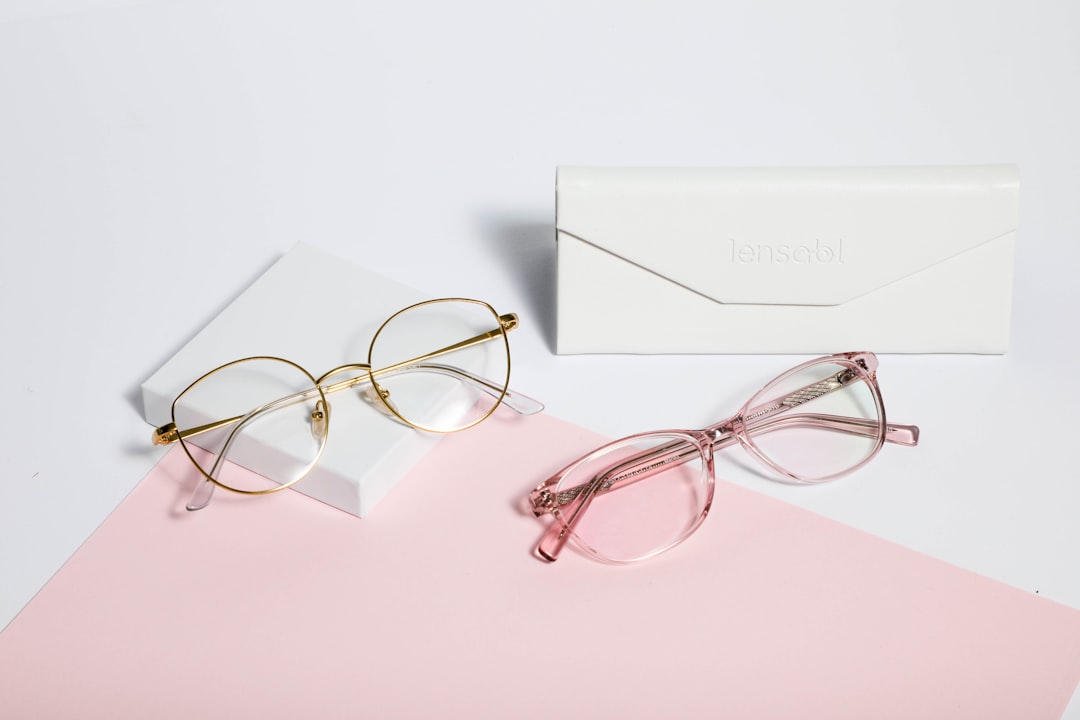
Eyewear Crisis: What To Do When Your Sunglasses Break
Fast, stylish fixes and long-term solutions for broken sunglasses—DIY triage, pro repairs, and prevention tips so you’re never stranded without shades.
Eyewear Crisis: What To Do When Your Sunglasses Break
When your favorite shades snap in a rush-hour moment, it feels like a tiny fashion apocalypse. This guide is your crash kit—practical, fast, and stylish—so you’re never stranded without functional, protective eyewear. Think of this as troubleshooting for a tech outage, but for frames: quick triage, smart temporary fixes, and long-term solutions to keep you looking sharp and protected.
Quick Triage: Assess the Damage Like a Pro
Step 1 — Visual inspection (30 seconds)
Before you panic, take a rapid inventory. Are lenses scratched, popped out, or shattered? Is a hinge bent or missing a screw? Are temples (arms) cracked or split? A fast, clear diagnosis guides whether you need a DIY quick-fix or a professional repair. If the lens is shattered or the frame distorted, stop—use temporary eye protection (a spare pair or wrap-around sunglasses) and avoid wearing the damaged pair.
Step 2 — Prioritize function over looks
For UV protection and driving safety, prioritize restoring lens alignment and coverage. A bent arm can push lenses out of the ideal field of view; a missing hinge screw can allow a temple to fall off mid-walk. If UV protection is compromised (lens popped out or cracked), don’t assume it still blocks UV—replace or properly reseat the lens. For more on choosing protective eyewear in everyday life, consider how sustainable choices affect what you buy next: sustainable fashion practices can guide frame material choices.
Step 3 — Rapid decision matrix
Use a simple rule: if the damage prevents the sunglasses from sitting correctly on your nose, driving or walking with them is unsafe. If it’s cosmetic (minor scratch on temple) you can postpone repair. For guidance on lifestyle needs—like active commuting or cycling—see our notes on balancing active gear in local businesses and rides: balancing active lifestyles.
Immediate, On-The-Spot Quick Fixes
When you’re out and need a same-day solution, these field repairs will get you home or to the office without sacrificing safety.
Fix: Replace a lost hinge screw
Tools: small multi-tool or eyeglass repair kit (mini screwdriver), a paperclip, or superglue as an emergency. If you have a tiny screw kit, secure the temple and gently reinsert the screw. If not, a straightened paperclip can temporarily hold the arm in place—wrap the area with clear tape to stabilize. Avoid driving if the arm is dangerously loose.
Fix: Popped-out lens
Method: Gently press the lens back from the inside of the frame, starting at the temple hinge area and working along the rim. Heat (a warm breath or short exposure to sunlight) makes acetate frames slightly pliable—do not use direct flame. If the lens won’t go back, use a thin strip of clear medical tape on the inside rim to hold it until you can get to a repair shop.
Fix: Broken temple (arm)
Temporary solution: If a temple cracks near the hinge, use a tiny zip tie, electrical tape, or a small binder clip to keep it aligned. For a clean, minimalist field fix, a leather cord or sunglasses retainer looped around the tip can stabilize fit and double as an accessory. For ideas on practical accessories that elevate style while solving function, check our EDC accessories guide: EDC essentials.
DIY Repairs: When to Try and How to Do It Right
Repair Kits: What to carry
An eyeglass repair kit should be part of your daily carry if sunglasses are integral to your wardrobe. Look for kits that include micro screwdrivers, replacement screws and nose pads, small pliers, and a microfiber cloth. Place a kit in your car and travel bag; for tech-enabled homes, pairing this with a quick guide on phone readiness is useful—learn how upgrading your phone unlocks better shopping and AR try-on tools in our guide: upgrading your iPhone for smarter shopping.
Step-by-step: Replacing nose pads
If your nose pads wear down (common on metal frames), they can throw off alignment. Use tweezers and the correct pad type (screw-on or push-in). Remove the old pad, clean the mount with alcohol, and fit the new pad. Adjust symmetrically so the frame sits evenly. For a deeper look at product longevity and brand transitions, see insights on what happens when a beauty line shuts down and how consumers adapt: brand loyalty lessons.
Step-by-step: Bridge or frame reshape
Acetate frames can be reshaped with controlled heat; metal frames use tiny adjustments with pliers. Always wrap metal pliers with a cloth to avoid scratches. Gently bend the bridge or temple to restore symmetry. If you're not comfortable, skip DIY—permanent misalignment can make frames unusable.
When to Seek Professional Repair: Cost vs. Value
Understand manufacturer warranties and repair services
Many designer brands offer repair services, sometimes complimentary within warranty windows. For designer pieces, authenticity and brand reputation matter—if your sunglasses are high-value, check brand policies first. For broader consumer context about brand decisions and shopper response, read our take on industry shifts and shopper behavior: how creators and brands evolve.
Cost comparison: DIY vs. shop
Independent opticians or repair shops typically charge $15–$60 for hinge or screw repairs, $20–$80 to replace lenses, and $60–$150+ for major frame reconstruction. Designer service centers can be pricier. Consider the sentimental or monetary value of the sunglasses when deciding. For long-term value thinking, consider retirement-style strategies for investments and durable goods: investment longevity.
Choosing a reputable repair shop
Look for shops that specialize in eyewear, have positive reviews, and provide a warranty on repairs. If your local bike shop doubles as an active-gear hub, they may have trusted repair contacts for sporty sunglasses—see community approaches in: local bike shop community engagement.
Replacement Options: Quick Buy vs. Smart Upgrade
Temporary replacements: Where to buy fast
Pharmacies, big-box stores, and gas stations sell cheap sunglasses for immediate coverage—good for a day, not for UV protection or eye health long-term. For travel scenarios, pack a lightweight polarized backup; see planning tips for travel routers and travel kits to stay prepared on trips: travel essentials.
Smart upgrades: Get more than a replacement
If you're replacing, consider blue-light filtering lenses for office-heavy days, polarized lenses for driving, or impact-resistant polycarbonate for sports. Think about sustainability—materials and lifecycle—which ties into broader sustainable fashion trends: sustainable material choices.
Use tech to choose style and fit
Virtual try-on apps have greatly improved—use a smartphone camera to test fit and style. If you’re thinking about leveraging new device features for shopping, our guide on the role of UI and device upgrades offers practical tips: UI for better try-ons and upgrading devices to use AR features.
Special Cases: Sports, Cycling, and High-Impact Wear
Sports sunglasses: safety first
If your shades break mid-ride or during sport, stop immediately and switch to a backup. Sport frames are designed for force distribution; a broken arm or lens compromises protection. For cyclists, consider how evolving e-bike tech and mobility trends shape gear needs: e-bike tech context.
Field repair on the road
Carry a minimal repair kit in your cycling pack: spare screws, a micro screwdriver, and duct tape. For long rides, know local shops that service gear quickly—community bike shops are great for cross-referrals: local shop networks.
Choosing impact lenses
Polycarbonate and Trivex lenses offer superior impact resistance for sports. If you regularly play outdoor sports, invest in lenses meeting ANSI Z87.1 safety standards. For practical accessory ideas that blend function and fashion, check our EDC accessory guide: EDC accessories.
Preventive Care: Keep Your Shades Lasting Longer
Daily habits that extend life
Use a proper case, clean lenses with a microfiber cloth and lens cleaner, and avoid placing sunglasses face-down. Keep them out of hot dashboards where heat warps frames. If you work from home and spend hours on screens, pairing sunglasses with blue-light aware strategies is smart; see our home office tech guide for ergonomics and screen-time tips: home office tech settings.
Seasonal maintenance checklist
At the start of each season, check screws, nose pads, and alignment. Tighten screws gently—over-tightening strips threads. Replace worn nose pads before they cause skewed fit. For broader lifestyle alignment, consider minimalism and the digital detox movement to help you curate fewer, higher-quality accessories: digital detox.
Storage and travel tips
Invest in a hard case for travel and a soft pouch for daily carry. If you frequently travel, consider a compact repair kit in your suitcase or tech pouch; pairing travel gear with routers and compact tech can keep your entire kit running smoothly: travel gear planning.
Style Salvage: Fashion Tips When Your Favorite Pair Is Out
Coordinate backups with outfits
Keep one neutral pair (black or tortoiseshell) and one statement pair. If your main pair breaks, neutral shades pair easily with most outfits. For trend context and how streetwear intersects with eyewear culture, explore our piece on culture and fashion: streetwear & eyewear.
Accessorize to distract
Use hat brims, scarves, and jewelry to draw the eye away from an imperfect pair. A sunglass retainer in leather or a bold strap can convert a broken pair into a deliberate look. For inspiration on accessory styling across scenes, see how creators translate trends into enduring wardrobes: creator-driven styling.
When to embrace the broken look
Some fashion circles treat 'worn-in' as authentic—careful distressing can read as intentional. But for UV-critical moments (driving, beach), prioritize function over aesthetic. For broader cultural lenses on authenticity and changing consumer preferences, read about adaptions when brands pivot: brand shifts.
Technology & Services: Use Smart Tools for a Reliable Fix
Virtual repair consultations
Some designer services and opticians now offer video consultations—show a repair specialist the damage and get a cost estimate before you travel. This model mirrors how UI and app improvements streamline user experiences; for more on streamlined user journeys, see: UI changes in modern apps.
AI and styling advice for replacement shopping
AI styling tools can suggest frames that match face shape and wardrobe. They’re not perfect, but useful when you need fast replacements. For the evolving landscape of AI in customer-facing roles, explore: AI's impact on consumer tools.
Secure online purchases and authentic sellers
Buy only from authorized retailers and check return policies. Protect payment details and verify seller reputations—online shopping security should be part of your purchase checklist. For tips on guarding your credit and avoiding fraud, see our cybersecurity primer: cybersecurity and shopping safety.
Cost & Repair Comparison Table
Use this quick comparison to pick the right route for your broken sunglasses. Data are representative ranges—local costs vary.
| Repair Option | Typical Cost | Time to Fix | Skill Required | When to Choose |
|---|---|---|---|---|
| DIY Screw/Nosepad Replacement | $0–$10 (kit) | 5–15 min | Low | Loose screws, worn pads |
| Independent Optician Repair | $15–$80 | Same day–3 days | Medium | Hinge, lens seat, realignment |
| Manufacturer Service | $30–$200+ | 1–4 weeks | Professional | Designer frames, warranty work |
| Lens Replacement | $40–$150 | 1 day–2 weeks | Professional | Scratched/cracked lenses, prescription updates |
| Frame Reconstruction or Replacement | $75–$300+ | 1 week–4 weeks | Skilled professional | Severely broken frames or heirloom pieces |
Case Studies & Real-World Examples
Case 1 — Commuter saved by a micro-kit
A New York commuter had a hinge screw fall out on the subway. A $6 kit from their keychain repair kit fixed it in minutes and avoided a potentially dangerous, one-armed commute. Keeping minimal repair tools mirrors the logic of packing smart travel tech; think compact and mission-specific like a travel router for trips: travel planning essentials.
Case 2 — Designer frame sent to manufacturer
A vintage designer pair with a snapped temple was sent back to the brand’s service center. The cost was high but restored the frame’s structural and brand integrity—worth it for collector pieces. If you’re a buyer who follows creators into industry moves, our analysis on creator transitions sheds light on brand value: creator to brand.
Case 3 — Sport damage managed on trail
A cyclist had a cracked lens mid-ride and used a temporary polycarbonate spare and a zip-tie temple fix to finish a long ride. For riders, integrating gear maintenance into active routines is key—see community tips from bike shops: cycling community tips.
Pro Tip: Keep one inexpensive, high-UV rated backup pair in your vehicle and a compact repair kit in your bag. Fast fixes preserve your safety; thoughtful replacements protect your eyes long-term.
Final Checklist: Decide Fast, Act Smart
Immediate questions to ask yourself
Can I see clearly and safely with these sunglasses? Are they structurally sound for walking or driving? Do I have a backup pair? Answering these will guide whether a field repair is acceptable or you must replace immediately.
Three-step action plan
1) Stabilize: Use tape or a temporary fix to prevent further damage. 2) Replace or repair: Decide same-day DIY, shop repair, or manufacturer send-in. 3) Prevent: Update your carry kit and habits—buy a repair kit and a backup pair.
Where to learn more and shop smart
Explore trends in how fashion and tech intersect to make better long-term choices—our content touches on culture, device advancements, and consumer security to inform smarter eyewear purchases, including how UI changes and device upgrades enhance shopping experiences: better try-on tech, device upgrades, and AI-assisted recommendations.
Frequently Asked Questions
1. Can I repair scratched lenses?
Light surface scratches can sometimes be reduced with lens polish for non-coated plastics, but coated or polarized lenses will likely need replacement. DIY polishing risks destroying coatings—consult a professional if coatings are important.
2. Is superglue safe for repairing frames?
Superglue can work for emergency fixes, but it creates brittle joints and can drip onto lenses. Use it only as a last resort and remove any excess immediately. Prefer epoxy or professional welding for long-term fixes.
3. How long do manufacturer repairs take?
Manufacturer timelines vary—expect 1–4 weeks depending on parts availability and courier time. Ask for an estimate before sending your frames.
4. Can I use non-prescription sunglasses as a substitute for prescription pairs?
Non-prescription shades provide UV protection but not visual correction. For driving or prolonged use, replace prescription sunglasses with same-power lenses to avoid eye strain and safety risks.
5. Are cheaper replacements worth it?
Cheap sunglasses are fine as temporary backups but often lack full UV protection and quality build. Use them until you can repair or replace with a higher-quality option that offers proper protection.
Related Reading
- AI's Impact on Content Marketing - How AI tools are shaping consumer recommendations and styling.
- Upgrade Your Phone for Smarter Shopping - Improve AR try-ons by choosing the right device.
- Balancing Active Lifestyles and Local Businesses - Gear tips for cyclists and outdoor enthusiasts.
- Sustainable Fashion: Cotton vs Synthetics - Choose materials that last and age better.
- Use Cases for Travel Routers - Pack smarter for trips and keep your essentials working.
Related Topics
Ava Mercer
Senior Editor & Eyewear Specialist
Senior editor and content strategist. Writing about technology, design, and the future of digital media. Follow along for deep dives into the industry's moving parts.
Up Next
More stories handpicked for you

Best Budget Sunglasses: Stylish Picks Under $50

Get Summer Ready with Exclusive Sunglass Discounts!

Smarter Sunglasses Merchandising: Using Price Insights to Match Demand, Style, and Margin

Accessories That Make a Statement: Pairing Sunglasses with Your Jewelry
AI-Powered Sunglasses Shopping: Why the Next Best Pair Might Come from Chat, Not Search
From Our Network
Trending stories across our publication group

The Best Lightweight Sunglasses for Active Lifestyles

Top 10 Retro-Inspired Eyewear Styles from the Past Decade

Evaluating Family-Focused Eyewear Plans Like T-Mobile’s New Offerings
How Eyewear Brands Use Price Insights and Personalization to Set the Sunglasses Deals You See

Digital Communication and Eyewear: Protecting Your Eyes from Tech Fatigue